How to Play 9 Ball Safeties When You Cannot Run Out
Quick answer: How to play 9 ball safeties is explained here in plain steps. A safety is a shot that makes the next turn hard for your opponent. In 9 ball you must still hit the lowest ball first in most rules. Distance and blockers beat wild banks when you are stuck.
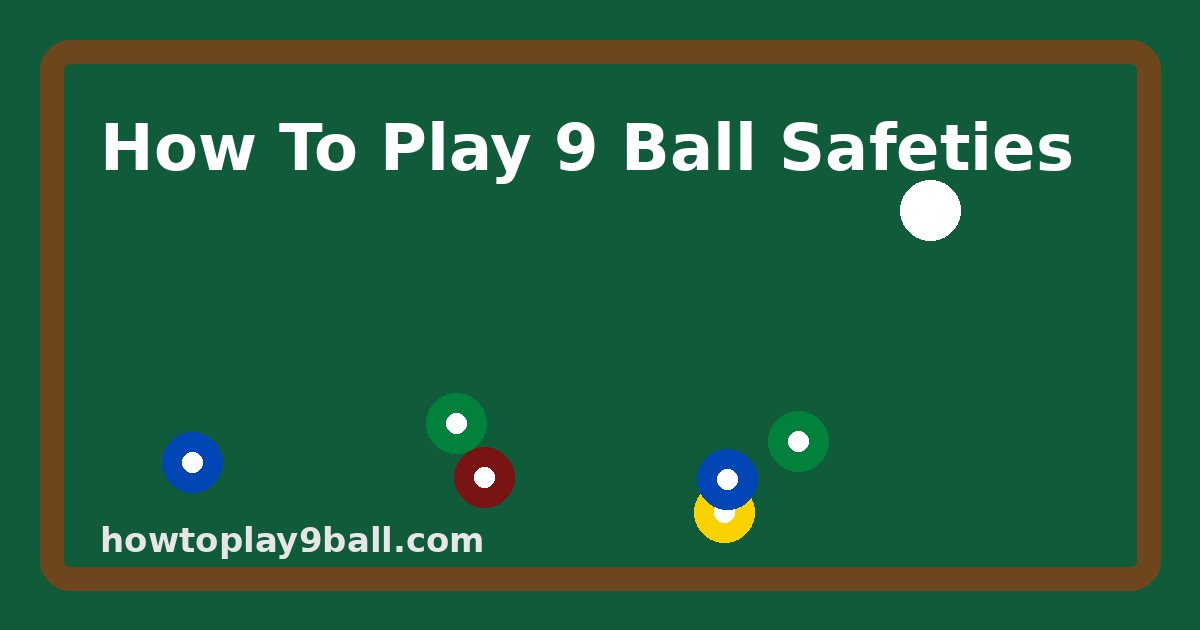
Keep practice short and focused. One clean habit beats an hour of rushed shots.
Why Consistency Beats Power
- A safety is a shot that makes the next turn hard for your opponent.
- In 9 ball you must still hit the lowest ball first in most rules.
- Distance and blockers beat wild banks when you are stuck.
- Two way shots try to pocket while still leaving a safe miss.
Each tip above supports the same goal: clear results without made up claims or fancy talk. If a tip does not fit your kitchen, table, pet, or party, skip it and keep the ones that help.
Step by Step
- Identify the lowest numbered ball.
- Look for a soft hit that hides the cue ball.
- Send the object ball to a rail if the rule needs a rail after contact.
- Stop the cue ball behind another ball when you can.
- If a make is thin, plan the miss leave.
- Practice one safety pattern at a time.
- Score safeties in practice games, not only pots.
Move through the list once without rushing. On the second pass, slow down at the step that felt hardest. That is usually where practice pays off.
Extra Tips
Illegal hits on the wrong ball are fouls and often give ball in hand. Be sure of the lowest ball.
Watch pro matches for simple tuck safeties, not only trick shots.
Common Mistakes to Avoid
- Skipping the basics and jumping to advanced tricks too soon.
- Rushing when you feel stuck instead of resetting to an easier version.
- Copying someone else’s setup without checking your own tools, rules, or ingredients.
- Forgetting to cool, rest, or practice in short sessions when the guide says so.
- Making up measurements, prices, or rules that this page does not give you.
If something fails, return to the first steps and change one variable at a time. That keeps troubleshooting simple.
Practice and Next Actions
Set aside a short block of time and complete one full pass of the steps. Write down what worked. Then read one related guide and try again with that new idea. Small repeats beat rare marathon sessions.
When you share this with a friend, keep the same plain language. Clear teaching helps more people finish the task without stress.
Related Guides On This Site
Before you finish, browse these related pages:
- See also 9 ball safety shot.
- See also 9 ball two way shots.
- See also 9 ball pattern play.
- See also 9 ball strategy for beginners.
- See also how to practice 9 ball alone.
- See also common 9 ball mistakes.
If you want a deeper dive next, start with 9 ball safety shot and 9 ball two way shots. Then compare ideas from 9 ball pattern play when you have more time.
A Note on Patience
Give yourself permission to learn how to play 9 ball safeties at a normal pace. Most people improve by repeating the same simple steps, not by chasing new tricks every day. Keep your tools ready, keep your notes short, and stop while you still feel focused.
Final Checklist
- You read the quick answer.
- You followed the steps in order.
- You used only real tips from this page.
- You checked a related guide for the next detail you need.
- You kept safety, honesty, and local or medical notes in mind when they apply.
Come back anytime you need a refresher. Plain practice on how to play 9 ball safeties gets easier each time you repeat it.
Keep Reading on This Site
- 9 Ball Push Out Rule Explained
- 9 Ball Bank Shots: When to Use Them and How to Aim
- 9 Ball Cue Ball Control: How to Get Shape on the Next Ball Every Time
- 9 Ball Rules for Beginners: A Simple Guide to Play Today
- Common 9 Ball Mistakes and How to Fix Them
- 9 Ball Pattern Play: How to Plan Your Run From the 1 to the 9
Frequently Asked Questions
What is a 9 ball safety?
A legal shot meant to leave the opponent a hard next shot rather than to run out.
Do I still have to hit the lowest ball?
Under standard 9 ball rules, yes.
What is a two way shot?
A shot that tries to pocket but still leaves a safe cue ball if it misses.
When should I stop trying to run out?
When the layout has no high percentage path and a miss would be worse than a safety.